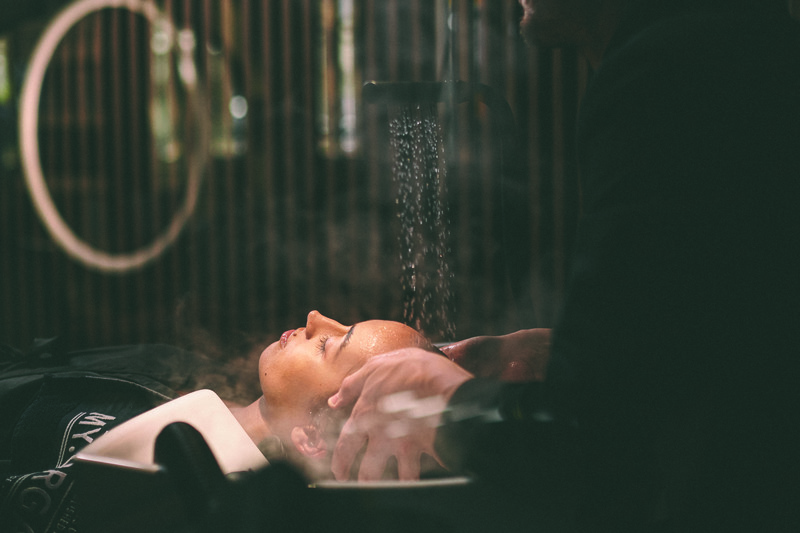
Awon, Nail Bar Expert, LOOKS Salon
28-May-2026
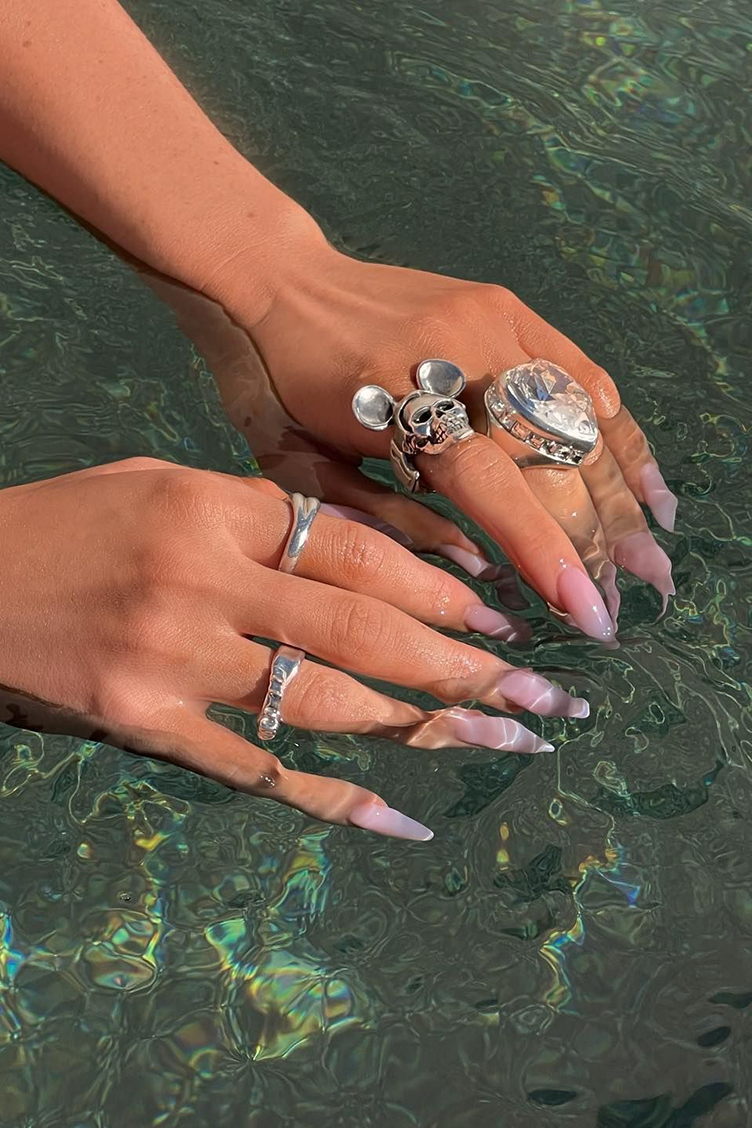
Forget thick gel and UV lamps – the Anti-Gel Japanese Pedicure is the health-first beauty ritual dominating Summer 2026.
As the first heatwave of Summer 2026 rolled across Tokyo, beauty editor Hana Mori noticed something unusual at the nail salons lining Harajuku Street. The familiar shelves filled with thick gel polish bottles were being replaced with tiny glass jars of botanical oils, rice-water soaks, and mineral powders. A new sign hung outside almost every salon: “Anti-Gel Japanese Pedicure Available Here.”
Curious, Hana booked an appointment at the famous Sakura Barefoot Studio, where celebrities and influencers were quietly abandoning gel polish for a healthier alternative.
Inside, there were no harsh chemical smells or buzzing electric drills. Instead, soft bamboo music played while technicians prepared warm green tea foot baths. Hana sat down beside a young woman named Emi, who smiled proudly at her natural-looking nails.
“I stopped using gel six months ago,” Emi said. “My nails were thin, brittle, and peeling. This changed everything.”
The Anti-Gel Japanese Pedicure, Hana learned, focused on restoring nail health rather than covering damage. Instead of heavy acrylics or layers of UV-cured gel, technicians used breathable plant-based serums, gentle buffing stones, and strengthening treatments made from sea minerals and keratin.
The process began with a detox soak infused with yuzu citrus and Japanese salt. Next, the nail technician carefully shaped Hana’s nails without electric filing. Her cuticles were softened with camellia oil instead of being aggressively cut away.
“What makes this healthier?” Hana asked.
The technician explained that traditional gel pedicures often require repeated exposure to acetone removal and UV lamps. Over time, this can weaken the nail plate and dry the surrounding skin. The Anti-Gel method allowed nails to “breathe” naturally while still looking elegant and polished.
Instead of thick colour layers, a translucent pearl finish was massaged onto Hana’s nails, giving them a clean, glossy appearance. The result looked effortless — almost like naturally perfect nails.
By evening, Hana posted photos on social media. Within hours, thousands of comments flooded in.
“Finally, a beauty trend focused on health!”
“My nails need this immediately.”
“Natural nails are becoming a luxury."
Soon, celebrities from Seoul to Los Angeles began sharing their own Anti-Gel transformations. Dermatologists praised the movement for reducing overexposure to nail adhesives and excessive filing. Even podiatrists supported the trend because healthier toenails lowered the risk of breakage and infections.
Fashion magazines quickly declared it the “Quiet Luxury Pedicure” of Summer 2026.
But what truly made the trend special was its philosophy. Japanese beauty culture had long valued simplicity, wellness, and balance. Instead of hiding imperfections beneath thick polish, the Anti-Gel Pedicure encouraged people to repair and protect their natural nails.
Two months later, Hana revisited the salon. This time, there was a waiting list stretching outside the building. Women, men, athletes, and even brides preparing for weddings all wanted the healthier pedicure experience.
As Hana admired her stronger nails, she realised this was more than a seasonal beauty craze. It was a shift in how people viewed self-care.
For years, beauty meant adding more layers, more colour, and more products. But Summer 2026 introduced a different idea: sometimes the healthiest beauty comes from returning to what is natural.
And for millions embracing the Anti-Gel Japanese Pedicure, healthy nails had never looked so beautiful.
Cover Credits: Instagram @kyliejenner