Dr. Nishita Ranka
22-May-2026
From sweat-driven breakouts to underarm Botox and dermal fillers, getting bridal skin ready in the Summer season calls for an entirely different approach – here is what truly works.
Inputs by: Dr Nishita Ranka, MBBS, DDVL, MD Dermatology; Consultant Dermatologist and Founder, Dr Nishita’s Clinic for Skin, Hair & Aesthetics, Hyderabad
Indian summer and monsoon weddings are beautiful! Mehendi in the soft light of late evenings, baraats winding through warm streets, and sangeet performances under open skies still heavy with rain. Yet, behind all this, summer and monsoon brides face a genuinely demanding skin environment. Heat, humidity, perspiration, UV exposure, and the cumulative stress of a wedding timeline come together to challenge even the most well-prepared skin. From a clinical perspective, bridal skin care during these months cannot follow the same template as a winter or post-monsoon wedding. It needs to be designed around the climate, the skin’s biology, and the bride’s lifestyle.
It is a structured plan that begins ideally six months before the wedding, layered carefully and adjusted as the body, hormones, and weather change.
Understanding How Summer & Monsoon Affect Bridal Skin
The Indian summer brings prolonged UV exposure, higher ambient temperatures, and constant perspiration. Sweat itself is not harmful, but when it mixes with sebum, makeup residue, sunscreen, and dust, it creates a film that clogs pores, irritates the skin barrier, and triggers breakouts. Heat also leaves combination and oily skin types feeling greasy by mid-afternoon and dehydrated underneath. Ultraviolet radiation accelerates pigmentation, worsens melasma, dulls the complexion, and damages collagen.
The monsoon shifts the equation. Humidity rises sharply, the skin barrier struggles to maintain its lipid balance, and fungi and bacteria increase. Brides commonly report sudden flare-ups of acne along the jawline and back, folliculitis on the scalp and shoulders, and stubborn dullness despite good hydration. Hair behaves differently too. Frizz, scalp itching, oiliness at the roots with dryness at the ends, and increased shedding are common monsoon complaints.
Layered onto all of this is wedding stress. Sleep tends to suffer, meals become irregular, hydration drops, and cortisol stays elevated for weeks at a time. The skin sees and remembers all of it.

(In Image: Dr Nishita Ranka)
The Six-month Bridal Timeline that Actually Delivers
Six months before the wedding is the ideal starting point.
The first consultation should map skin type, existing concerns, family history, lifestyle, and the wedding date down to the hour, since the climate that day directly informs treatment choices. Pigmentation, active acne, scarring, open pores, body skin concerns, hair quality, and sweat patterns should each be addressed with their own protocol rather than a single generic facial plan.
Months six and five are best used to stabilise the skin. For pigmentation and melasma, which worsen significantly in summer, a combination of medical-grade topicals, oral antioxidants, and barrier-supportive skincare lays the foundation. Aggressive procedures should be avoided this early, as the focus is on creating healthy skin that responds well to later treatments. This is also the right window for any first-time injectable assessment, as it allows time to study the response and adjust before the wedding.
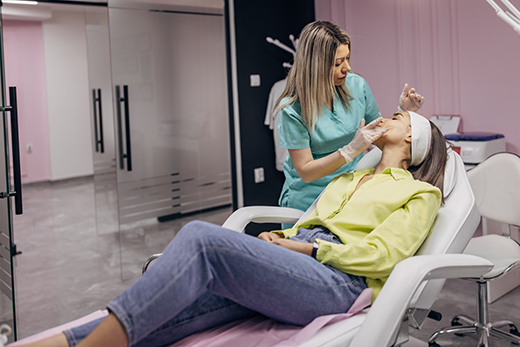
Months four and three are the active treatment window. Carefully selected chemical peels, microneedling sessions, and skin boosters can be planned during this phase, customised to skin type and the climate of the wedding date. Brides with melasma, post-acne pigmentation, or uneven tone benefit from professionally administered chemical peels at clinic intervals, paired with strict photoprotection. Those concerned with skin quality, fine lines, or dullness do well with skin boosters containing hyaluronic acid, polynucleotides, or biostimulators, all of which improve hydration, elasticity, and luminosity in a way that topical products alone cannot replicate. Hair concerns, if present, are best addressed in this window through evidence-based therapies such as growth factor concentrate sessions, low-level light therapy, or targeted nutritional correction after appropriate blood work.
(Image Credits: iStock)
Months two and one are about refinement, not experimentation. This is the phase to fine-tune what is already working, schedule any final pigmentation or skin quality sessions, plan touch-up injectables where indicated, and begin pre-wedding facials that are gentle, hydrating, and predictable. The final two weeks before the wedding should never include a new product, a new procedure, or a new injectable.
Daily Skincare Through Heat & Humidity
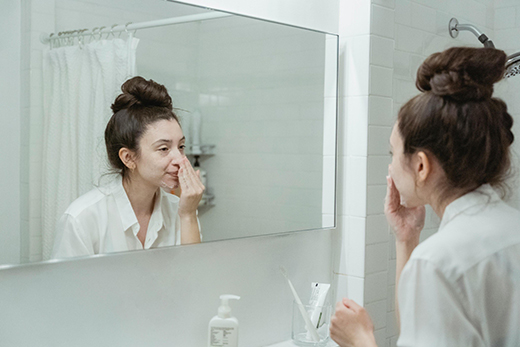
The morning routine for a summer or monsoon bride should be built around a gentle, sulphate-free cleanser, an antioxidant serum with vitamin C, a lightweight moisturiser appropriate to the skin type, and a broad-spectrum sunscreen, preferably SPF 50.
The evening routine should focus on thorough cleansing, repair, and hydration. A double cleanse, followed by a treatment serum based on the bride’s specific concern, and finally a barrier-supportive moisturiser containing ceramides, niacinamide, or panthenol. Active ingredients such as retinoids, alpha hydroxy acids, or prescription pigmentation creams should always be introduced under dermatological supervision, particularly when used alongside in-clinic treatments. Overuse of actives is one of the most common reasons brides walk into clinics with red, peeling, sensitive skin in the final weeks before the wedding.
(Image Credits: Pexels)
Body skin deserves the same intent as the face. The neck, shoulders, back, and arms are all on display in bridal photography and benefit from regular exfoliation, body serums, and dedicated body sunscreen. Brides with keratosis pilaris, body acne, or stretch mark concerns should begin treatment well in advance, as these conditions respond slowly and need consistent care.
Hair, Scalp, & other Forgotten Details
Bridal hair is rarely just about styling on the wedding day. Months of conditioning, scalp care, and treatment of underlying issues make a visible difference in volume, shine, and hold. During summer and monsoon, sweat, humidity, and product build-up create the perfect environment for fungal overgrowth, itching, and inflammation. Mild, sulphate-free shampoos, occasional medicated cleansers when indicated, pre-wash oiling for those who tolerate it, and trichology evaluation when shedding is significant all play a role.
Lips, hands, feet, underarms, and intimate skin are the details brides most often forget. Hyperpigmentation in these areas is common in Indian skin and is best treated through dermatologist-led protocols rather than self-prescribed lightening creams, many of which contain ingredients that worsen the problem in the long term. Manicures, pedicures, and grooming should be scheduled with ample days to settle any irritation.
(Image Credits: Pexels)
Lifestyle factors that Decide the Outcome
No skincare plan can compensate for poor sleep, dehydration, erratic nutrition, and chronic stress. Brides who consistently sleep seven to eight hours, drink adequate water, eat a diet rich in fruits, vegetables, lean protein, and healthy fats, and take their dermatologist-recommended supplements have better outcomes. Magnesium, omega-3 fatty acids, vitamin D, iron, and antioxidants such as glutathione and vitamin C, when prescribed appropriately after blood work, support both skin and hair.
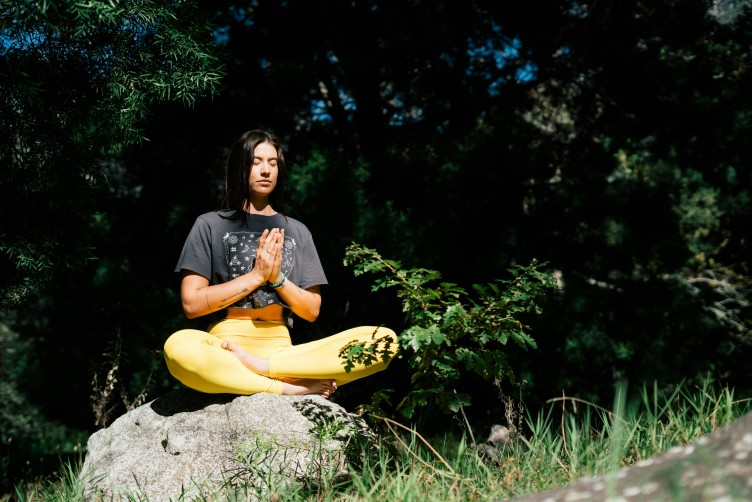
Stress management is equally important. Yoga, breathing exercises, regular physical activity, and protected screen-free time before bed help regulate cortisol and improve sleep quality, both of which are reflected in the skin within weeks.
Final Words
Bridal skin care during the warmer months in India is not about more products or more procedures. It is about the right plan, the right timing, and the right partnership with a dermatologist who understands the climate, the skin, the wedding context, and when to say no!
Cover Credits: Instagram @rashmika_mandanna






.jpg)