Experts at DHI
21-Jul-2026
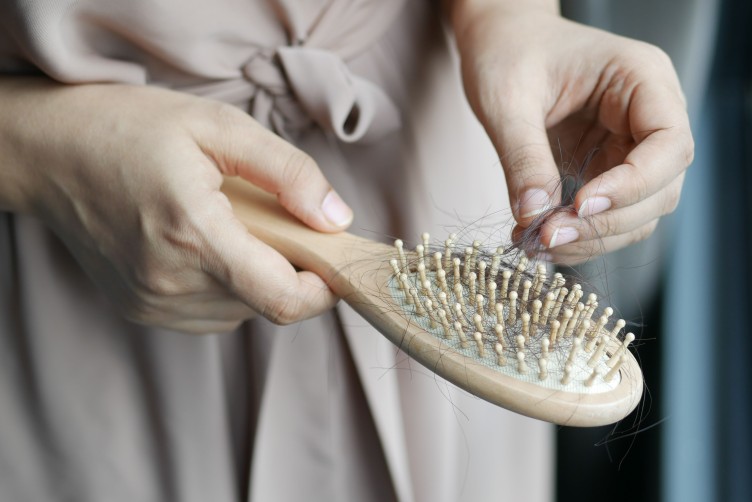
The emotional impact of hair loss can run deeper than appearances. Here's why modern hair restoration is increasingly focused on restoring confidence as much as hair.
For millions of people worldwide, watching their hair thin or recede triggers something far deeper—a loss of identity, confidence, and self-worth that can touch nearly every area of daily life.
What Does Hair Loss Really Do to You?
Hair has long carried social and psychological meaning. It frames the face, signals youth, and forms a core part of how we present ourselves to the world. When it begins to disappear, many people describe the experience as a kind of grief, mourning for a version of themselves they feel slipping away with it.
Research consistently shows that hair loss, or alopecia in its various forms, is associated with elevated levels of anxiety, depression, and reduced quality of life. A study published in the Journal of the American Academy of Dermatology found that individuals with hair loss reported significantly lower self-esteem and greater social anxiety than those without it. Notably, these effects were not limited by age or gender. While male pattern baldness is often treated as a punchline in popular culture, women and younger people experiencing hair loss tend to report even greater psychological distress, partly because societal expectations around their hair are stricter.
The Social Weight of Hair Loss
The impact is not just internal. Many people with hair loss alter their behaviour to manage how they are perceived. They decline social invitations, stop going to the gym, wear hats in situations where they previously wouldn't, or turn down opportunities that put them in the spotlight, like job interviews, dates, or presentations.
Over time, these small acts of avoidance can compound. What begins as mild self-consciousness can gradually narrow a person's world. Relationships suffer. Career confidence dips. The mental load of managing how one looks becomes exhausting.
Younger men experiencing early-onset male pattern baldness often report feeling prematurely aged, which can be particularly destabilising during formative years when identity is still being established. For women, who are less likely to be offered understanding or sympathy for visible hair loss, the psychological toll can be even more isolating.
Why Conventional Solutions Often Fall Short
Many people spend years trying to manage hair loss through topical treatments, supplements, or hairpiece approaches that may slow progression but rarely address the deeper sense of having lost something fundamental. For those dealing with significant loss, these feel like workarounds rather than restoration.
Where Hair Transplantation Enters the Picture
Surgical hair restoration has evolved considerably over the past two decades. One technique that has gained significant attention is DHI — Direct Hair Implantation. Unlike older methods that left linear scars, DHI uses a specialised technique to extract individual hair follicles and place them directly into the recipient area with precision, without pre-made incisions.
The procedure is performed under local anesthesia, typically over the course of a single day. Because the follicles are drawn from the patient's own scalp, usually the back of the head, where hair is genetically resistant to loss, the transplanted hair grows naturally and permanently. What makes DHI particularly effective is the control it offers: the angle, depth, and direction of each follicle can be set individually, allowing practitioners to reconstruct a hairline that looks organic rather than planted.
DHI Medical Group: The Name Behind the Technique
Not all clinics offering hair transplants are equal, and in the case of DHI, the distinction matters significantly. DHI Medical Group has been at the forefront of hair restoration since 1970 and today operates 75 clinics across 45 countries, making it one of the most established and widely present hair restoration organisations in the world.
In India, the DHI technique is exclusively available through DHI Medical Group. With clinics across Delhi, Gurgaon, Noida, Mumbai, Bangalore, Chennai, Hyderabad, Kolkata, Chandigarh, Lucknow, Kochi, Guwahati, Coimbatore, and Calicut, the group has built one of the most accessible networks of certified hair restoration clinics in the country. Each clinic operates under standardised protocols, with doctors trained and certified specifically in the DHI method, ensuring that the outcome carries the same clinical standard anywhere in the world.
This consistency is not incidental. DHI Medical Group introduced standard operating procedures to hair restoration at a time when the industry had none, and that commitment to repeatable, verifiable results remains central to how the group operates today.
Restoring More Than Hair
Accounts from people who have undergone DHI frequently describe changes that go beyond the physical, a renewed willingness to engage socially, greater ease in professional settings, and a reduction in the low-grade anxiety that had become a background hum of daily life. There is something psychologically significant about feeling at home in your own appearance again. When the gap between how you look and how you feel inside narrows, the mental energy previously spent on self-monitoring becomes available for other things.
The Decision to Act
For those who find that hair loss is actively limiting their life, how they move through the world, how they relate to others, how they feel about themselves, understanding what modern restoration can offer is a reasonable step. Whatever path a person chooses, what matters most is that the decision comes from a place of informed choice rather than shame.
Hair may seem like a small thing. But for many people, getting it back feels like getting themselves back.
Cover Credits: Pexels