
Siddhant Jatia
05-May-2026
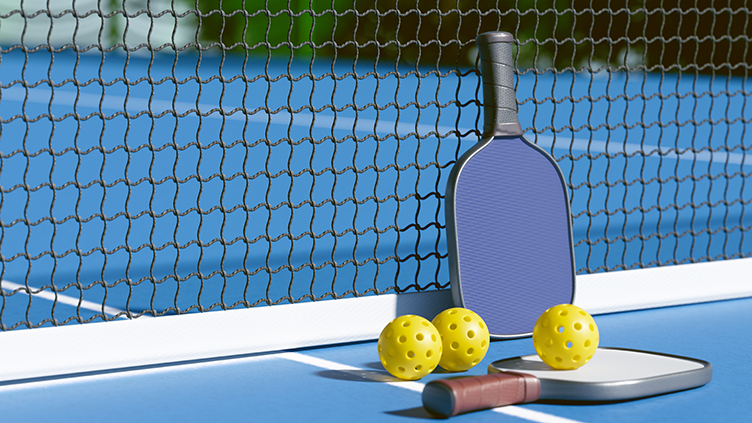
All work and no play makes you stressed, lonely and unhealthy!
Inputs by: Siddhant Jatia, Founder & CEO, Picklebay
For decades, the idea of fitness in urban India was functional – a routine to be followed, a metric to be achieved. It lived within the confines of gyms, treadmills, and structured schedules.
Today, that definition is evolving.
We are entering what I would call the 'play economy' – a shift where recreational sports are no longer occasional pursuits but a reflection of how people choose to live, move, and engage with the world around them.
From Routine to Ritual
Wellness today is becoming more intuitive, more immersive, and more experiential. The modern consumer is moving away from regimented workouts toward activities that feel natural and enjoyable – experiences that blend movement with meaning. Recreational sports are uniquely positioned at this intersection.
Pickleball, in particular, has emerged as a compelling expression of this shift.
It is easy to access, inherently inclusive, and socially engaging. But more importantly, it transforms physical activity into something fluid – less of a task, more of a ritual. Players don’t just arrive to exercise; they arrive to participate, to interact, to unwind. In many ways, this marks the transition of fitness from discipline to lifestyle-led indulgence.
The Emergence of Social Wellness
At the heart of the play economy lies a deeper shift – the rise of social wellness.
In increasingly digital, fast-paced urban lives, people are seeking moments of real-world connection. Recreational sports offer that rare intersection of movement and meaningful interaction.
Also Read: From Run Clubs to Community Wellness: Inside India’s Social Wellness Boom
It is not uncommon today to see individuals walk into a game as strangers and leave as part of a community. That transformation – from participation to belonging – is what defines the new wellness paradigm.
Reimagining Spaces: From Amenities to Experiences
Perhaps the most visible impact of this shift is on the spaces we inhabit. Recreational sports are no longer confined to traditional venues. They are being thoughtfully integrated into lifestyle environments – from boutique hospitality spaces and luxury resorts to private clubs and curated residential communities.
For hotels, in particular, this presents a powerful opportunity. A pickleball court is not just an amenity; it becomes an experience layer. It invites guests to engage, interact, and extend their stay beyond passive leisure. Morning games evolve into social afternoons, and what begins as recreation becomes part of the narrative of the stay.
Similarly, resorts and wellness destinations are beginning to view such sports as extensions of their philosophy – offering guests a more dynamic, participatory form of well-being.
Even in urban residential settings, these spaces are redefining community living – creating shared environments where interaction happens organically.
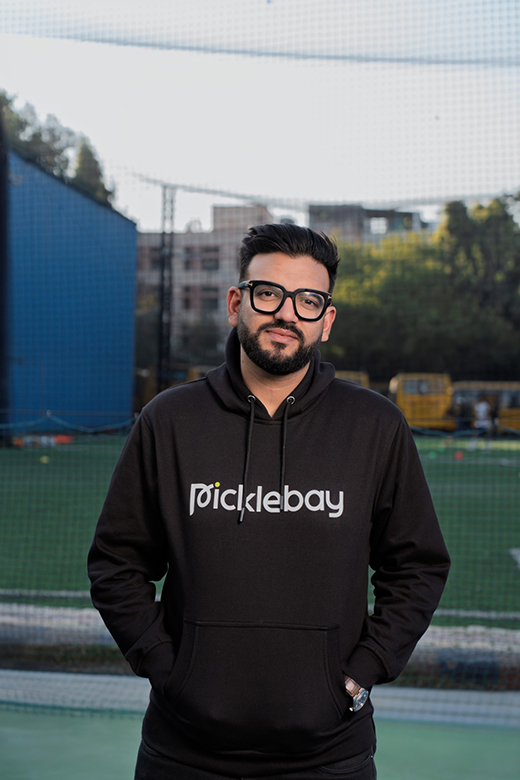
(In image: Siddhant Jatia, Founder & CEO, Picklebay)
The Rise of Participation-Led Luxury
Recreational sports offer a form of participation-led luxury – where the value lies not in observation but in involvement. Whether it’s a curated tournament, a private game at a members’ club, or an evening match at a resort, the emphasis is on being part of the moment. For brands and businesses, this opens up a new dimension of engagement – one that is immersive rather than interruptive.
Accessibility as the Foundation
What makes this movement sustainable is its inherent accessibility. Sports like pickleball lower traditional barriers – whether it’s skill, space, or intimidation. You don’t need to be an athlete to participate. You simply need to be willing to show up. This inclusivity allows the ecosystem to grow organically, across demographics and geographies. And as participation deepens, so does the experience.
More Than a Moment
It would be easy to dismiss the rise of recreational sports as a passing trend. But what we are witnessing is far more structural. This is a shift in how people define well-being, how they spend their leisure time, and how they connect with others. The future of wellness will not be built on isolation. It will be built on shared experiences – moments that combine movement, connection, and a sense of place.
The Way Forward
At Picklebay, we see this as the beginning of a larger transformation. The opportunity is not just to grow a sport but to shape a way of living – one where play is not an escape from life but an integral part of it.
Because ultimately, the most sustainable form of wellness is not something you have to commit to. It is something you look forward to and that is what the play economy makes possible.
Cover Credits: iStock