Soumya Maheshwari
12-Jun-2026
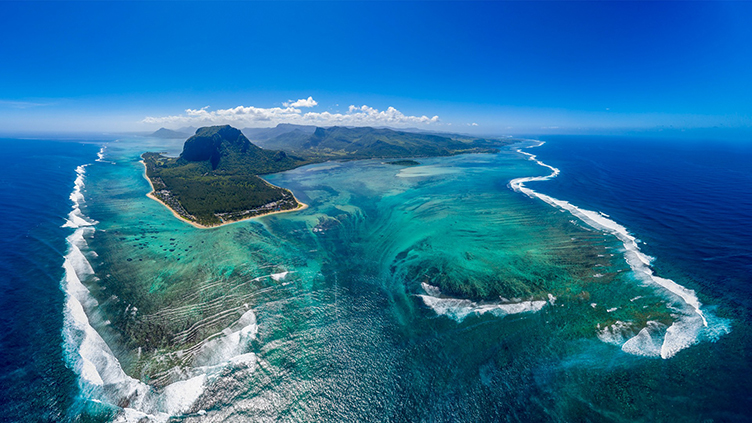
Mauritius is strengthening its appeal among Indian travellers through better connectivity, cultural experiences, wellness offerings and a growing focus on first-time international visitors.
For decades, Mauritius has enjoyed a special place on the Indian traveller's wishlist, thanks to its cultural ties, warm hospitality, and beaches. Today, however, the destination is redefining its tourism narrative. From adventure experiences and wellness retreats to culinary discoveries and luxury villa stays, Mauritius is expanding its appeal to meet the evolving expectations of modern travellers. In an exclusive conversation with GlobalSpa, Dinesh Burrenchobay, Chairman of the Mauritius Tourism Promotion Authority (MTPA), discusses the destination's growing popularity among Indians, rising air connectivity, changing travel trends, and his vision for tourism in the island nation.
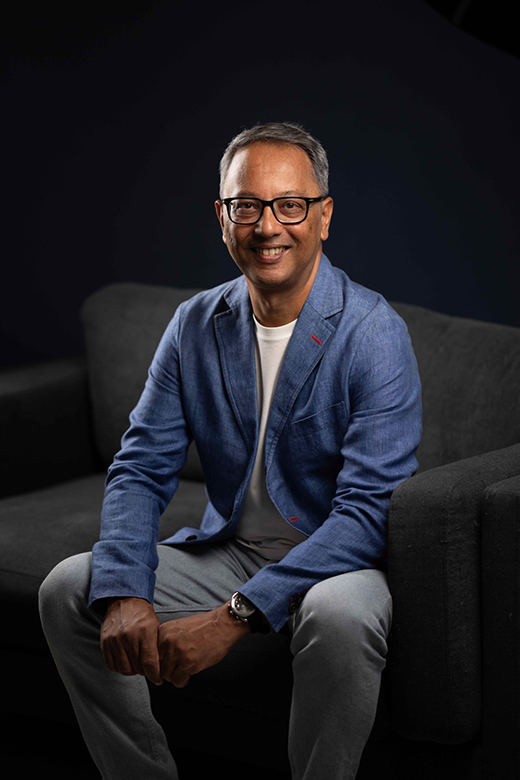
(In Image: Mr. Dinesh Burrenchobay, Chairman of the Mauritius Tourism Promotion Authority (MTPA))
1. Mauritius has been a favourite destination among Indians. What factors have contributed most to the destination's recent growth?
The Indian market is very important for us. When an Indian tourist comes to Mauritius, they feel at home, away from home. From interacting with the locals and the merchants to the food here, there is a cultural bond that exists. This connection runs even deeper when you consider that locals here follow Bollywood closely and stay attuned to everything happening in India, while at the highest levels, strong governmental ties continue to bring both countries closer together.
2. Indian travellers are seeking more personalised and experience-led holidays. How is Mauritius adapting to this tourism offering?
Post-COVID, the profile of every traveller around the world has changed, including the Indian traveller. We have adapted ourselves to relook at our product offering. When I say 'relook', I mean that we will always be known for the sand, the beach, etc., but we also want to show people that there's more to this in Mauritius. The inland is very attractive. There's a lot of trekking and mountain climbing and the experience on the sea is not just about swimming. For Indians, culture is significant because of the Ganga Talao. Additionally, we have a lot of new small at-home restaurants, showcasing Mauritian and global food. We are adapting ourselves, and you will see a lot of storytelling around the experiences that we are now creating.
3. Any specific experience that you would want to highlight?
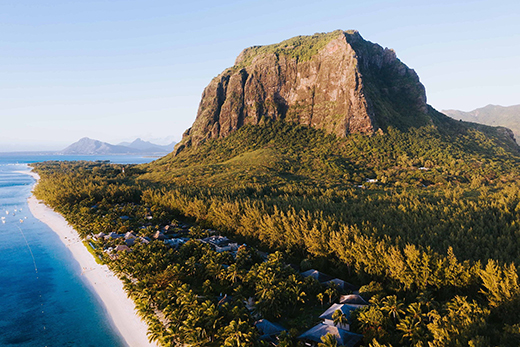
The trekking within Mauritius is not well known. We have a very lush interior, which is on the coast. And it is a great place for Indian travellers, as they don't like to stay idle in a hotel; they want to go out and be part of the action! Additionally, apart from hotels, we have a lot of upcoming private luxury villas, often rented out by locals, that are consistent with the service that you get in hotels.
4. What about the connectivity between India and Mauritius? Do you see it increasing?
Indian travellers have shot up, given the increase in connectivity. The daily Indigo flight from Mangalore is running at a very high occupancy. In mid-July, we will introduce the business class on the Mauritius route because of the demand for it. Looking ahead, there is considerable potential to further strengthen connectivity. Exploring additional routes through carriers such as Air India and Air Mauritius, particularly from cities beyond the traditional gateways, could help unlock new markets and make Mauritius even more accessible to Indian travellers.
5. With the Geopolitical tensions in the world, the Asian destinations are also feeling the heat. Do you think you've seen any recent surge in the visitors to the destination?
We took fast remedial actions once the situation arose in the Middle East. One of the major measures we took was to focus more on our short-haul destinations. We realised that people would be a bit averse to travelling from far away into Mauritius, so we shifted our strategy onto the Indian market, South Africa and Reunion Island. Initially, in April, there was a dip, but we saw a pick-up in May and expect good numbers in September, October, and November.
6. Does Mauritius have anything specific to offer in terms of wellness for Indian travellers?
As a destination, we believe that wellness is more than just going to a spa and taking a treatment; it's about the body, mind, and soul. We have a lot of green interiors in Mauritius, where people are doing yoga in the interiors of the island. The whole concept of wellness is around the island, in the mountains, and on the beach, with a lot of nature-based activities.
Additionally, all the luxury hotels here in Mauritius are curating wellness programmes and brands like One&Only or the Oberoi’s have some programmes to offer for well-being. I also work in the UK market and there we have created the concept of the island of well-being for Mauritius.
7. Do you think you would want to get that concept in India as well?
Yes, Indians are well-travelled now. People have the misconception that, since there is already Ayurveda in India, people are not looking for wellness. That's not true, because when you're on a holiday, it's the entire experience that has to travel with you. So yes, we want to get this feeling of well-being, especially in the corporate world. Also, we're trying to do CEO retreats in Mauritius.
8. What's your vision for the coming years? How do you see tourism in Mauritius evolving?
Tourism remains one of the largest contributors to the Mauritian economy, and the sector has demonstrated remarkable resilience in recent years. We successfully recovered after the pandemic and have continued to perform strongly despite global uncertainties. One of Mauritius' key strengths is its ability to adapt quickly. Unlike many destinations, we are not overly dependent on a single airline, market, or transit hub. We continue to diversify our connectivity, with new routes such as Ethiopian Airlines' service via Addis Ababa further strengthening accessibility to the island.
While tourism remains a dynamic and sometimes volatile industry, we are confident in our ability to respond to changing market conditions. Looking ahead, we see significant growth potential from India and believe that, within the next few years, we can increase Indian visitor arrivals to 100,000 annually. We are already welcoming between 75,000 and 80,000 Indian travellers each year, providing a strong foundation for future growth.

9. Where does India currently rank among your key source markets?
India is currently our fifth-largest source market globally and remains our number one market in Asia. We believe there is strong potential for India to move up the rankings, especially as some of the European markets are experiencing slower growth.
10. As you work towards the milestone of one million Indian visitors, have you identified any key opportunities that could help accelerate growth?
A major focus for us is engaging Gen Z and first-time Indian international travellers. We see tremendous potential in a new generation of educated, globally aware professionals who are eager to explore destinations beyond India. Our goal is to position ourselves as an aspirational and accessible first international holiday choice for these travellers.