Aaliya Amrin
01-Apr-2026

It isn’t just the sightings. It’s the rhythm of the days, the design of the tents, and even a cosmic safari that makes returning feel inevitable.
There are certain places that make it into the annual rotation without much debate. A beach you default to, a city that resets you, a hotel that consistently delivers. You don’t overthink it, you just go back.
Ranthambore hasn’t traditionally been one of them.
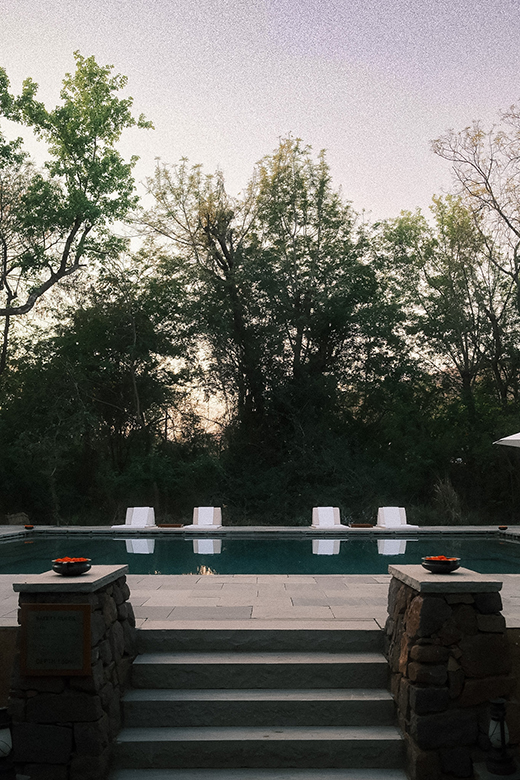
A safari here has usually been a one-time pursuit. You arrive with a clear objective, structure your days around it, and leave once you’ve had it. It’s a trip built around an outcome, and once that’s done, there hasn’t been much reason to return.
What’s changed, quietly, is how that experience is now being held.
At Aman-i-Khás, the safari remains at the centre of it. The early mornings, the long drives, the slow build of anticipation are all intact. You head out before sunrise, the park revealing itself in parts, and at some point, if you’re lucky, it happens.

Malang appears first, cutting across a ridge about 50 metres away and moving without urgency in a way that makes the sighting land more fully. Later, Shakti. More elusive, more contained. Both moments are strong, and for a brief while they fill everything. And yet, at Aman-i-Khás, the day doesn’t hinge on them.
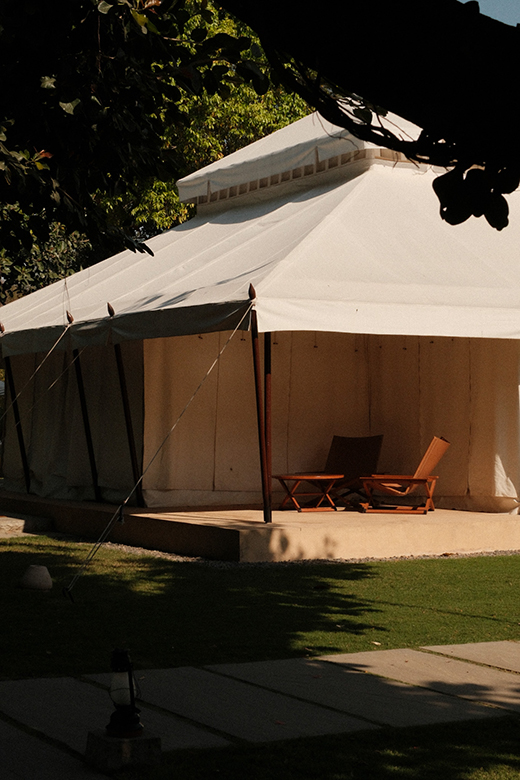
You return to camp and nothing drops away. There’s no lull, no sense of waiting for the next drive to begin. The new tents are expansive but resolved, with everything exactly where it should be and nothing asking for attention. You settle in quickly, and before long, you stop noticing the design altogether, which is usually the point.
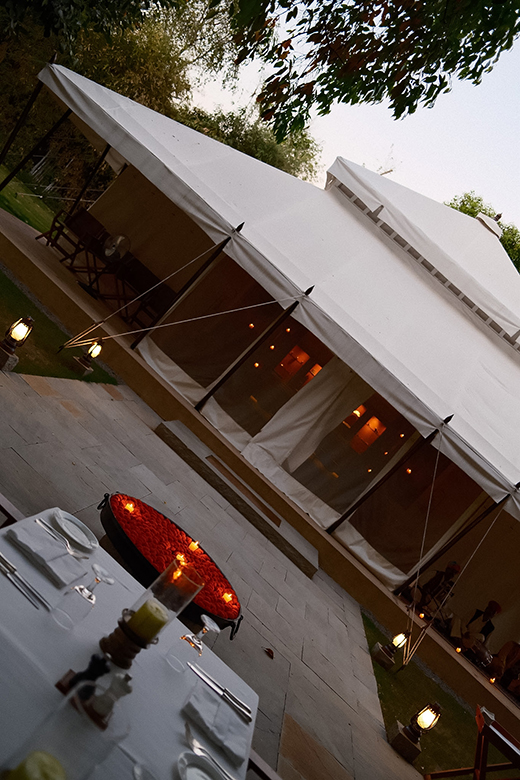
Service follows the same logic. It isn’t overt and it doesn’t need to be. Timings hold, plans adjust, and the mechanics of the experience stay out of view. You’re not managing your time here so much as moving through something that has already been thought through.
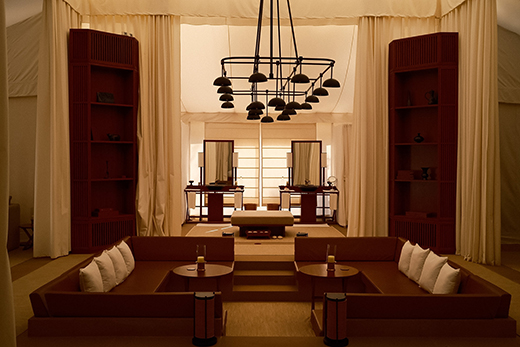
Over a couple of days, that begins to shift the nature of the trip itself. It stops feeling like a short, high-stakes chase and starts to feel like something you could return to. Not for a specific sighting, but for the way the days are put together. Easy to settle into, consistent without being repetitive. The kind of travel that fits into your year without needing to justify itself.
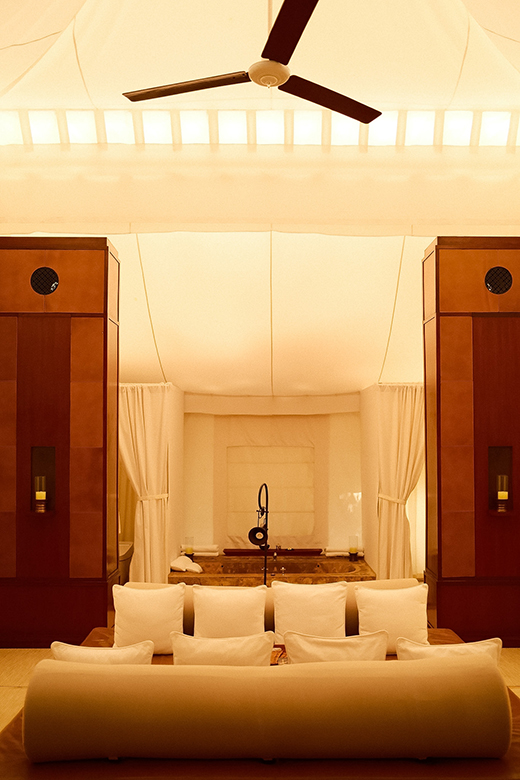
Increasingly, that’s what defines luxury now. Not excess or variety, but the absence of friction. Fewer decisions, better ones. An experience that holds its shape without needing your constant input.
And then there’s the part you don’t expect to matter as much as it does.
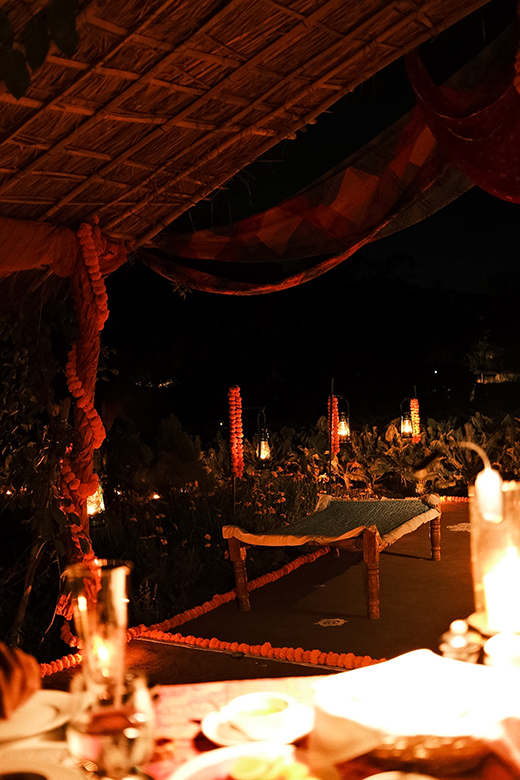
The cosmic safari isn’t framed as a highlight. It’s simply part of the evening. A short drive out, a clearing, a telescope set up under an open sky.
The guide is from a nearby town, and he arrives with what feels like an improbably large telescope and a laser that cuts clean across the sky, far further than you expect it to. He moves through it with ease, pointing out constellations, the zodiac, and the odd planet you recognise by name but have never really taken the time to look for. There’s no sense of theatre to it, no attempt to over-explain, just a quiet confidence in what he’s showing you.
You wait your turn, look through the telescope, and there’s Jupiter, clear, steady, almost fixed in place.
What’s surprising is how long you stay there.
Not because it’s overwhelming, but because nothing interrupts it. There’s no urgency to move on, no instinct to reach for your phone, no real need to translate the moment into anything else. You just stand there, looking, for longer than you normally would.
And somewhere in that, the scale shifts slightly.
You feel smaller, of course, but not in a way that diminishes you. If anything, it settles you. There’s something grounding about being briefly removed from your own sense of importance, about sitting with something that exists entirely outside of your day-to-day.
It’s a subtle shift, but it stays with you.
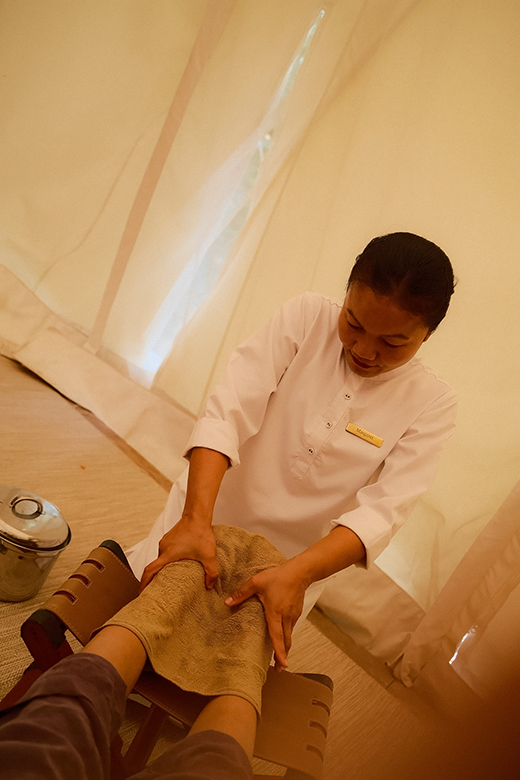
And it reframes the rest of the experience in a quiet way. The safari no longer feels contained to the park, or even to the daylight hours. It extends. The day doesn’t build toward a single high so much as hold its rhythm, gradually widening as it goes.
That, more than anything, is what makes it feel current.
Not because it’s new, but because it aligns with how people are choosing to travel now. Experiences that don’t demand to be documented. Places that don’t rely on a single defining moment. A pace that feels considered, but never forced.
That’s what makes Ranthambore feel different now.
Not because the core has changed. The drives are still the draw, the sightings still the reason you come. But the reason you would come back is no longer tied to them alone.

It’s in how little the trip asks of you, how well everything works, and how quickly you settle into it. At some point, you stop thinking about what you’re there for and simply stay a little longer than planned.
For most destinations, that’s what determines whether they make it into the annual circuit.
Not whether they impress you once, but whether they hold up the second time around.
Ranthambore, increasingly, does.