
Pranjal Shah
22-May-2026
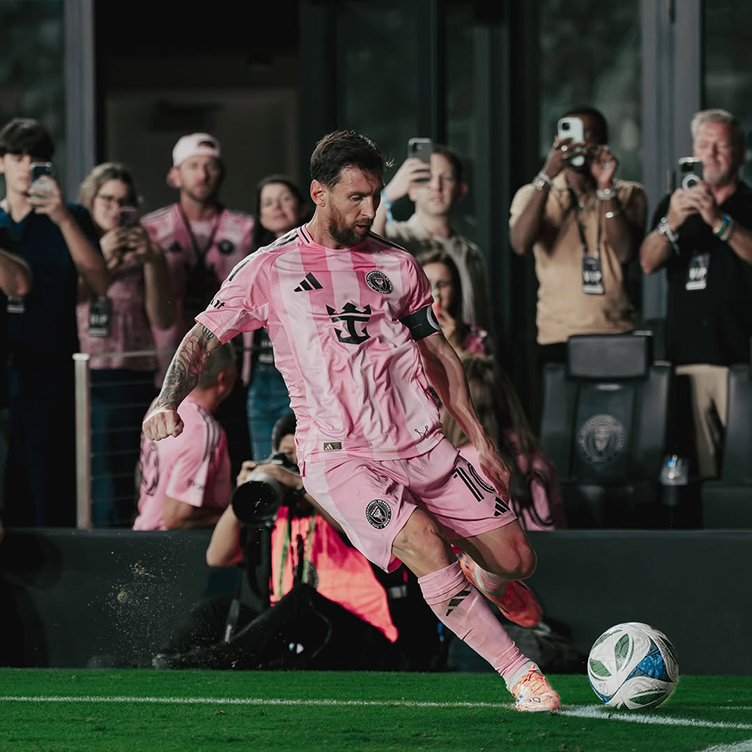
Ahead of the FIFA World Cup, footballers are doubling down on one essential ritual — recovery. From sleep to stretching, here’s what keeps athletes performing at their peak.
Football is a physically intense and relentlessly demanding sport, requiring players to sustain endurance, speed and concentration ubiquitously. During a match, constant sprinting, rapid changes in direction, repeated tackles, and explosive bursts of movement place immense strain on the body. The demands become even greater during tournaments such as the FIFA World Cup, where fixtures arrive in quick succession and recovery time is limited. In these narrow windows between matches, recovery becomes essential—not only to restore performance but also to prevent injury and maintain consistency. Increasingly shaped by sports science, the methods footballers use to recover offer valuable insight into how we, too, can better manage fatigue, movement and physical wellbeing in everyday life.
Rehydration and Nutrition
Intense strain on the body leads to depletion of fluids and glycogen. Particularly demanding physical exercise, such as that in football, can also lead to microtears in muscle tissue, resulting in sore, stiff muscles. Thus, rehydration as well as nutrition are particularly important for about an hour after such activity. Drinking fluids rich in electrolytes helps restore the body’s fluid balance and supports recovery. A timely intake of high-glycaemic carbohydrates, lean protein and healthy fats replenishes energy stores and supports muscle repair. For everyday routines, this need not be complex: a balanced, timely meal and consistent hydration can significantly reduce fatigue, stabilise energy levels and improve overall physical resilience.
Massage Therapy
Footballers use massage therapy to alleviate muscle tightness, improve circulation and support overall recovery. Deep tissue techniques target underlying muscle layers, helping to release knots and reduce post-exertion soreness. Massages also promote relaxation by lowering stress levels, which plays a subtle but important role in recovery. In a daily context, similar benefits can be achieved through accessible methods such as foam rolling, handheld massage devices or even a tennis ball. Incorporating these practices into a routine can ease muscular discomfort, particularly when balancing exercise with long hours of sedentary work.
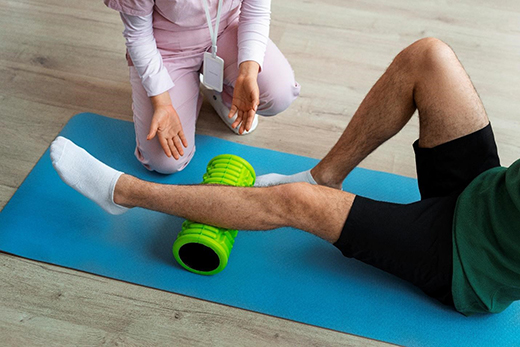
Image Credits: Freepik
Cold and Heat Therapies
Videos of footballers plunging into ice baths following matches are not uncommon. Cold exposure, including methods such as cryotherapy, constricts blood vessels, flushes waste from the body, reduces soreness, and limits inflammation. Alternatively, heat from warm baths or compresses dilates blood vessels, assisting oxygen intake and relaxing stiff muscles. Contrast therapy, which combines the two in quick succession, creates a pumping effect that stimulates better blood circulation. For everyday application, this need not be extreme; a brief cold shower or a warm soak can be sufficient. Used appropriately, these methods can ease discomfort, support recovery and enhance overall physical comfort.
Cooldown
Football, being an intense sport, requires sustained high-intensity activity during a match. This elevates body temperature and places significant strain on muscles and joints. A structured cooldown allows the body to transition gradually from exertion to rest and signals the nervous system to shift from ‘fight-or-flight’ to recovery mode. Stretching helps maintain flexibility, and joint mobility exercises support the range of motion and reduce stiffness over time, contributing to improved movement quality and lower injury risk. In daily life, even a short post-activity routine can be effective, particularly if you spend extended periods seated.
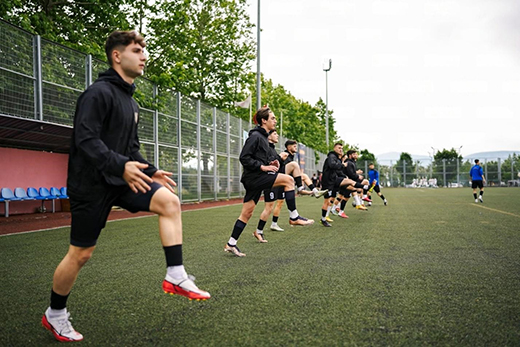
Image Credits: Freepik
Active Recovery
For professional players, recovery does not always mean rest. Low-intensity movement, such as walking, swimming, and light cycling, promotes blood circulation and recovery without placing additional strain on the body. This approach is generally called active recovery, or regenerative training, which accelerates the removal of metabolic waste, keeps the cardiovascular system ticking without adding stress and supports the natural repair process. Thus, incorporating gentle movement on rest days can keep you active while allowing the body to recover, prevent lethargy and sustain a consistent rhythm of physical engagement throughout the week.
Sleep
Despite scientific developments and growing medical expertise, proper sleep and rest during tournaments and competitions cannot be dispensed with, since the body carries out essential repair processes during sleep. From muscle regeneration to hormonal regulation and cognitive support to stabilising mood, sleep enhances overall performance by supporting both physical and mental well-being. Sleep deprivation suppresses immune function, spikes cortisol, and slows reaction time and decision-making. Napping is used strategically around matches. In daily life, prioritising consistent sleep patterns, minimising disruptions and allowing sufficient time for rest can have a profound impact on energy levels and resilience.
These recovery methods reflect a simple principle: performance is sustained not by intensity alone, but by how well the body is supported between efforts. While elite athletes may rely on specialised interventions, the underlying habits – hydration, balanced nutrition, restorative movement, and adequate rest – remain universally accessible. Integrated into daily routines, they offer a measured way to manage fatigue, maintain physical comfort and build long-term resilience. In this sense, recovery is a continuous practice.
Cover Credits: Instagram @leomessi