

Shivani Sharma
30-Jun-2026
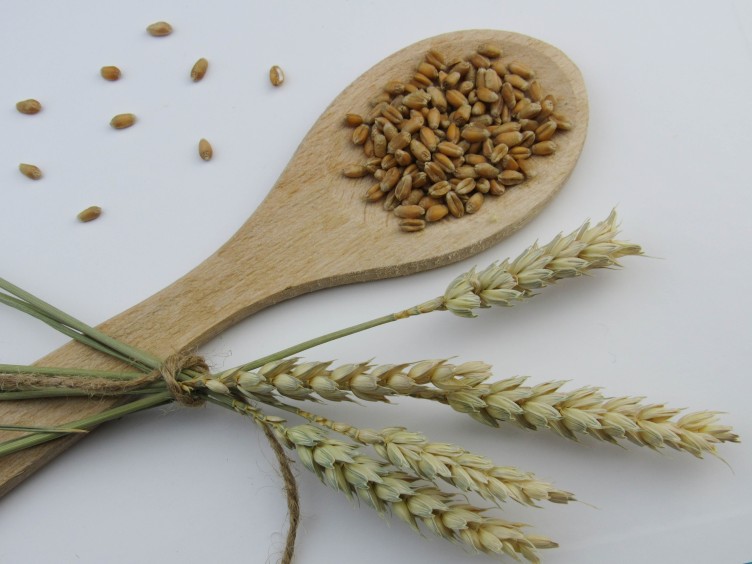
Once dismissed as a poor man’s crop, millets are now emerging as climate-smart superfoods that are transforming global conversations around nutrition, sustainability and conscious eating.
Inputs by: Shivani Sharma, Chefpreneur and Founder of Gourmestan & Maison Gourmestan
No single ingredient has had as much of a transformational impact on the way the world eats as millets have. These small-seeded cereal grains are among the oldest cultivated crops and are valued for being nutritious, drought-resistant and adaptable to poor soils. For years, they were considered a poor man’s crop owing to their hardiness and relatively lower-maintenance cultivation as compared to more ‘premium’ foodgrains such as rice and wheat. That changed when a growing body of research once again highlighted the nutrient density of millets and their ability to withstand the adverse impacts of climate change. The shift in perception was propelled largely by Indian government initiatives that repositioned millets as nutri-cereals and promoted their use in public nutrition programmes and by millet-based start-ups. Subsequently, the International Year of Millets 2023 campaign, which was proposed by India and adopted by the United Nations, made millets a part of mainstream discussions about food security and health across the globe.
A nutritional powerhouse
While different types of millets vary slightly in terms of their composition, millets are hailed for being high in dietary fibre, which supports gut health and aids in blood sugar control. They are also good sources of essential minerals such as iron, calcium, magnesium and zinc and provide slow-releasing carbohydrates, which may help maintain stable energy levels and support glycaemic control. Further, many millets contain polyphenols and antioxidants that may help reduce oxidative stress and inflammation and are naturally gluten-free, making them suitable for people with Celiac disease or gluten sensitivity. Consumer awareness about healthier grain choices has risen significantly, with several surveys showing that more than 80 per cent of consumers associate whole grains with health benefits and a majority actively seek healthier grain-based foods. The growing incidence of lifestyle diseases such as diabetes, obesity, cardiovascular disease and hypertension has further exacerbated the demand for healthier grain alternatives, making a compelling case for millets.
Sustainable, wholesome and premium
Millets are widely recognised as climate-resilient ‘smart crops’ due to their ability to survive conditions where major cereals often fail. Many types can grow at high temperatures up to 42°C. The cultivation of millets requires only 250-500 mm of water as compared to 1,200-1,500 mm+ for rice and 450-650 mm for wheat. A millet crop matures in 60-100 days, as compared to a rice field that requires 120-150 days. This makes millets less susceptible to droughts, floods and seasonal climate risk. Millet cultivation uses 70-90 per cent less water than rice, can be undertaken in dryland systems and requires less fertiliser input. By ensuring grain production in drought-prone and semi-arid regions, millet crops can ease global food demand pressure, which is predicted to increase by 60 per cent by 2050. For conscious consumers, the sustainability narrative is a compelling one. Consumers are now more aware than ever before about how their food is produced and where it comes from. Combined with their evolving status as functional foods, this presents a compelling narrative that supports premiumisation. As per the 2024 Voice of the Consumer Survey conducted by PwC, consumers are willing to spend an average of 9.7 per cent more on sustainably produced goods – this sentiment was echoed by nearly 80 per cent of global consumers that researchers surveyed.

(In Image: Shivani Sharma, Chefpreneur and Founder of Gourmestan & Maison Gourmestan)
Change across the board
The innate versatility of millets – they offer a blank slate for other flavours to shine – and their complex texture make for an interesting dynamic in the F&B space. Today, millets have moved from niche ‘health menus’ into mainstream cafés, QSR chains, and casual dining formats. In this space, they are being increasingly positioned as everyday modern lifestyle foods and not traditional substitutes. The QSR segment is also witnessing tremendous innovation with millets finding their way into snacks, bars, chips and bakery-style items that are staples in the mainstream snacking category. Millets are also undergoing a gourmet repositioning with fine-dining restaurants using millets in heritage-inspired tasting menus, health-focused gourmet dishes and modern Indian fusion plating. In this context, millets are being recognised as ancient grains and hence celebrated as heritage superfoods.
The global market size for millets is projected to swell by USD 55.7 billion by 2030, with a CAGR of 6.2 per cent from 2024 to 2030. Going forward, millets will not only become a substitute or a healthier alternative but also a kitchen and pantry staple, opening new doors for producers and consumers across the board.
Cover Credits: Pexels